
Lemeia insights
100 practical guides for building a stronger company.
Search a useful library covering brand, websites, SEO, advertising, software, AI, field-service operations, event rentals, and lessons from published client work.
Featured systems guide
Focused Business Tool or Custom Company System?
A practical framework for deciding whether a focused product, connected tools, or custom company software is the right next step.
Read the guide →
Browse the library
Find the answer that fits your next decision.
Every guide links to relevant services, products, project work, and related reading so useful paths stay easy to follow.
Focused Business Tool or Custom Company System?
A practical framework for deciding whether a focused product, connected tools, or custom company software is the right next step.

Designing a Local-Service Website Around the Complete Customer Journey
How local-service websites can connect positioning, search discovery, trust, qualification, and the path to an estimate.
What Brand Strategy Should Decide Before Logo Design Begins
The market, growth, audience, voice, and emotional decisions that should guide a company identity before visual design begins.

Connecting SEO, PPC, and Operations Without Creating More Silos
A systems approach to aligning organic search, paid media, lead handling, customer data, and operational capacity.
Brand Positioning for a Crowded Market
A practical way to define a relevant position when competitors appear to offer the same thing.
Brand Architecture for a Company That Plans to Grow
How to organize a parent brand, services, locations, and products without creating a naming mess.
How to Choose a Brand Voice People Can Recognize
Define a useful voice system that works across a website, ads, estimates, support, and product interfaces.
Rebranding Without Losing the Recognition You Already Earned
A staged approach to changing identity, message, and experience while preserving useful brand equity.
Brand Strategy for Local Service Companies
Connect market choice, service mix, reputation, and customer expectations into one clear local brand.
Choosing the Emotional Tone of a Business Website
Use the buying decision to choose whether a website should feel reassuring, decisive, premium, energetic, or technical.
Naming a New Product Family Without Trapping Its Future
Create a naming system that is memorable now and expandable when new products or markets arrive.
Keeping a Brand Consistent Across Company Systems
Carry identity and voice from marketing into proposals, documents, software, and the customer experience.
A Practical Brand Discovery Workshop Agenda
The questions and decisions that make a brand workshop productive instead of performative.
When a Business Needs Branding, Not Just a Logo
Recognize when the real problem is positioning, message, architecture, or customer experience rather than the mark itself.
Website Navigation for Multi-Service Companies
Organize services, products, tools, and company information so visitors do not have to decode the business.
Homepage Copy That Explains the Business Quickly
A clear hierarchy for saying what the company does, who it helps, and where the visitor should go next.
Mobile-First Inquiry Forms That People Can Actually Finish
Reduce keyboard movement, unclear fields, and unnecessary questions while preserving useful lead context.
A Practical Accessibility Pass for a Small-Business Website
Improve keyboard access, text contrast, focus, structure, motion, and form clarity without losing the visual identity.
Website Performance as a Customer-Experience Decision
Connect image weight, rendering, scripts, and interaction stability to trust and conversion.
What a Useful Service Page Should Contain
Build service pages around fit, scope, process, proof, questions, and a clear next action.
Designing a Website That Can Expand Into New Markets
Prepare information architecture, components, and content governance for new services and locations.
Website Trust Signals Without Overpromising
Use specific proof, transparent process, careful policies, and realistic language instead of unsupported badges or guarantees.
How to Build a Portfolio Page That Helps Buyers Decide
Turn project galleries into useful stories about context, direction, execution, and fit.
A Website Launch Checklist for Business Owners
Review content, forms, analytics, search, accessibility, mobile behavior, ownership, and recovery before going live.
SEO Content Clusters for Service Businesses
Organize core services, customer questions, comparisons, and local context into a useful internal-link structure.
How to Build Local SEO Pages With Real Value
Add logistics, service conditions, local resources, and useful next steps without pretending to have an office everywhere.
An Internal-Linking Plan for a Large Website
Use hubs, descriptive anchors, related guides, and consistent navigation to help people and crawlers understand the site.
How to Prioritize a Technical SEO Audit
Separate indexing blockers and template-wide problems from low-impact cleanup items.
Why Search Intent Matters More Than Keyword Volume
Choose topics based on the customer decision and business fit, not the largest number in a keyword tool.
SEO Priorities for a New Business Website
Build a clean foundation for crawlability, service clarity, local discovery, and future content without publishing filler.
A Practical SEO Content Refresh Process
Decide which pages to update, combine, redirect, or leave alone using accuracy, intent, performance, and usefulness.
Image SEO for Business Websites
Use relevant original or licensed imagery, descriptive filenames, real image elements, responsive delivery, and useful alt text.
SEO Reporting a Business Owner Can Use
Replace a wall of rankings with a concise view of visibility, landing pages, qualified actions, and next decisions.
Scaling SEO Without Creating Doorway Pages
Build genuinely useful service and location coverage while avoiding pages that only funnel the same visitor to the same destination.
Google Ads Setup for a Service Business
Plan campaign structure, conversion tracking, landing pages, geography, and lead feedback before increasing spend.
PPC Landing-Page Message Match
Continue the ad’s exact promise, service, market, and next step so the visitor does not have to reorient.
Using Negative Keywords to Improve Lead Quality
Turn irrelevant searches and sales feedback into a disciplined system for protecting paid-search budget.
Setting PPC Budget Around Business Capacity
Align media investment with service margins, geographic reach, close rates, and the team’s ability to follow up.
When Meta Ads Fit a Local Business
Use audience, creative, offer, and follow-up choices appropriate to discovery-driven demand.
A Practical PPC Conversion-Tracking Plan
Define primary and supporting conversions, preserve source data, and connect advertising to downstream outcomes.
How to Run a Useful Paid-Search Term Review
Find irrelevant intent, new customer language, landing-page gaps, and opportunities for campaign separation.
How PPC and SEO Can Learn From Each Other
Share search language, landing-page findings, conversion evidence, and market priorities without blending the channels into one report.
The Lead-Response System Behind Successful Paid Ads
Route, notify, prioritize, and follow up on inquiries while the advertising context is still useful.
Questions to Ask When Reviewing PPC Performance
Use business-focused questions to understand spend, intent, tracking, lead quality, and the next experiment.
Map the Workflow Before Selecting a CRM
Define records, stages, ownership, exceptions, and reporting before comparing software feature lists.
Creating a Single Source of Truth Without One Giant App
Assign ownership for customer, job, inventory, document, and employee records across connected tools.
Is Your Company Ready for Custom Software?
Evaluate process maturity, differentiation, ownership, budget, adoption, and ongoing change before commissioning a platform.
Build an Automation Opportunity Map
Find repetitive handoffs worth automating while keeping judgment and accountability visible.
Writing Software Requirements as a Business Owner
Describe users, decisions, rules, exceptions, data, and acceptance without pretending to be a developer.
A Safer CRM Data Migration Plan
Prepare source cleanup, mapping, validation, cutover, permissions, and rollback before moving live records.
Designing Role-Based Views for Office and Field Teams
Give each role the information and actions it needs without exposing or crowding everything else.
Build a Business Dashboard That Drives Action
Choose a small set of current, trustworthy signals tied to owners, thresholds, and decisions.
Software Adoption After Launch
Support training, workflow ownership, feedback, measurement, and iteration after the deployment announcement.
Integrations or One Custom Platform?
Decide when connecting focused tools is enough and when fragmented ownership has become the actual constraint.
How to Scope a Mobile App MVP
Choose one valuable user job, the smallest complete workflow, and the evidence needed before expanding features.
Teaching an AI Assistant About a Business
Organize approved company facts, services, products, boundaries, and escalation rules into a maintainable knowledge layer.
How an AI Chatbot Can Sell Without Becoming Pushy
Recognize service intent, answer the immediate question briefly, and recommend a relevant next step with restraint.
Designing a Human Handoff From AI Chat
Preserve context, ask permission, collect only necessary details, and make ownership clear when a conversation needs a person.
Practical AI Safety Boundaries for a Business Website
Set content limits, privacy guidance, escalation, rate controls, and testing appropriate to a public assistant.
When to Use More Than One AI Model
Route by quality, latency, availability, cost, and privacy rather than alternating providers randomly.
Offline-First Thinking for Field Applications
Design capture, synchronization, conflict handling, and status feedback for work that cannot depend on perfect connectivity.
Push Notifications Without Notification Fatigue
Use role, urgency, ownership, timing, and actionability to decide what deserves an interruption.
App Onboarding for Busy Teams
Help a user reach the first valuable action quickly while introducing complexity only when it becomes relevant.
How to Measure AI Assistant Quality
Evaluate truthfulness, grounding, usefulness, brevity, tone, safety, and successful next actions with repeatable tests.

Moving-Company Lead Intake That Supports a Real Estimate
Collect origin, destination, access, inventory, dates, services, and contact preferences without overwhelming the customer.
Local SEO for a Moving Company
Build useful service, market, and customer-question coverage around actual moving decisions and logistics.
A Better Follow-Up System for Moving Estimates
Use ownership, timing, context, reminders, and clear next actions without turning follow-up into spam.
Connecting Moving Dispatch With Office and Field Context
Keep job scope, crew, vehicles, access notes, documents, and changes visible in one shared workflow.
Improving PPC Lead Quality for a Moving Company
Separate move types and markets, match landing pages, protect geography, and return booked-job outcomes to campaigns.
Junk-Removal Intake for Faster, Clearer Estimates
Use photos, material type, volume, access, location, and timing to improve qualification before dispatch.
What a Junk-Removal Service Page Should Explain
Clarify accepted work, exclusions, pricing variables, process, property care, and the route to an estimate.
Turning Reviews Into Operational Insight for Moving and Junk Companies
Use recurring review themes to improve expectations, crew communication, service pages, and follow-up.
Planning Marketing Around Seasonal Moving Capacity
Align campaigns, service mix, staffing, schedules, and response standards before peak demand arrives.
What a Connected Moving-Company System Should Handle
Connect inquiry, estimate, scheduling, crew, time, documents, communication, payment status, and reporting around one job.

Designing Clear Cleaning Service Packages
Define scope, frequency, add-ons, exclusions, and quality expectations so customers and teams share the same picture.
Building a Reliable Recurring Cleaning Schedule
Coordinate frequency, team capacity, travel, customer preferences, changes, and exception handling.
Cleaning Checklists That Support Quality Instead of Busywork
Make standards observable, property-specific, role-appropriate, and easy to complete in the field.
Cleaning-Company Lead Intake and Qualification
Collect property, frequency, condition, access, priorities, timing, and contact details in a calm mobile flow.
Local SEO for a Cleaning Company
Create useful service and market pages around property types, recurring needs, scope, trust, and the estimate process.
Time Tracking for Cleaning Teams Without Creating Friction
Capture job time, breaks, travel context, approvals, and exceptions in a field-friendly process.
The Sales-to-Operations Handoff in Commercial Cleaning
Carry scope, frequency, site access, contacts, supplies, risks, and service standards from proposal to delivery.
What a Connected Cleaning Platform Should Do
Bring inquiry, quoting, recurring schedules, crews, checklists, time, communication, and quality into one operating view.

Event-Rental Inventory Availability You Can Trust
Connect quotes, holds, reservations, prep, delivery, return, and maintenance so availability reflects reality.
The Customer Journey on an Event-Rental Website
Help planners browse inventory, understand fit, build a request, and share event logistics without getting lost.
Building an Event Delivery and Pickup Plan
Coordinate vehicle capacity, venue windows, crew tasks, loading order, setup, pickup, and exception communication.
Turning an Event-Rental Quote Into a Reliable Order
Control versions, availability, approvals, deposits, documents, changes, and ownership as a proposal becomes a commitment.
Inventory Photography and SEO for Event-Rental Companies
Use accurate imagery, descriptive collections, useful detail, alt text, and internal links to support planners and search discovery.
A Clear Damage and Return Workflow for Rental Inventory
Record condition, photos, quantities, responsibility, maintenance, and customer communication when items return.
Warehouse Pick Lists That Prevent Event-Day Surprises
Turn the order into clear quantities, locations, accessories, substitutions, loading groups, and verification.
What a Connected Event-Rental System Should Handle
Connect website requests, inventory, quotes, documents, warehouse, routing, returns, and reporting around each event.
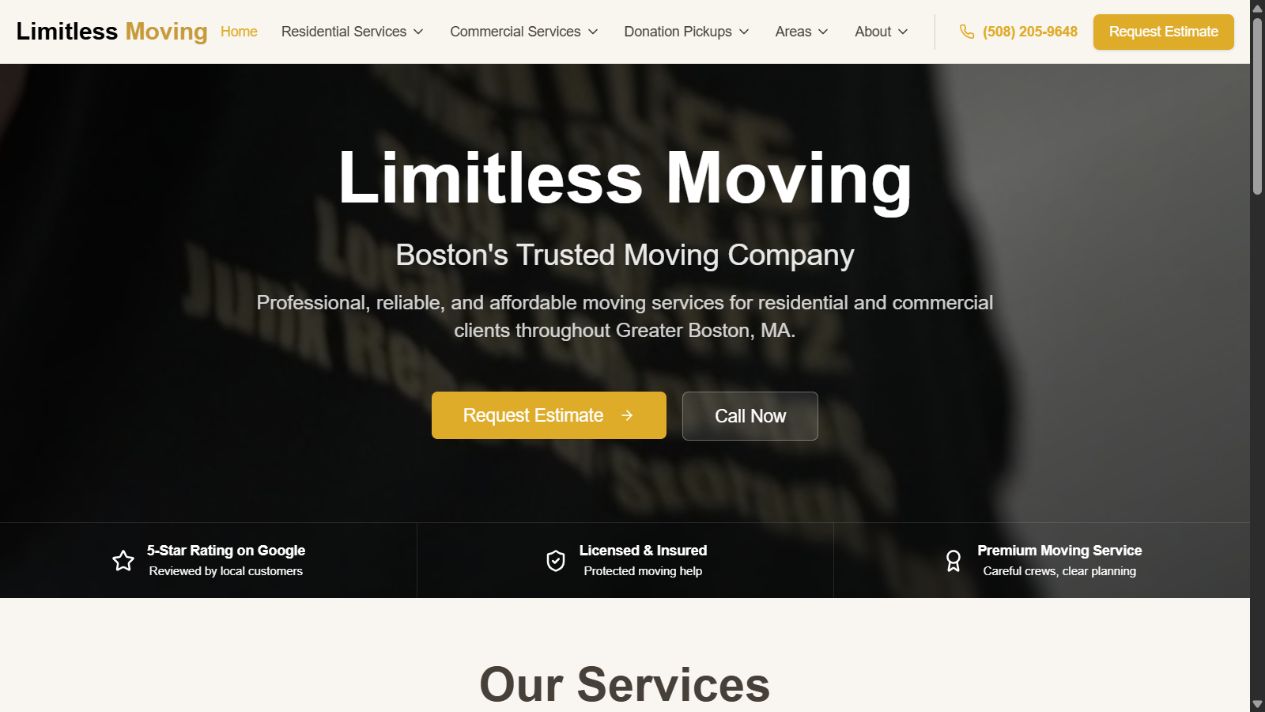
Behind the Limitless Moving Website
How a specialty moving company website can combine confident positioning, clear service routes, local relevance, and an estimate path.
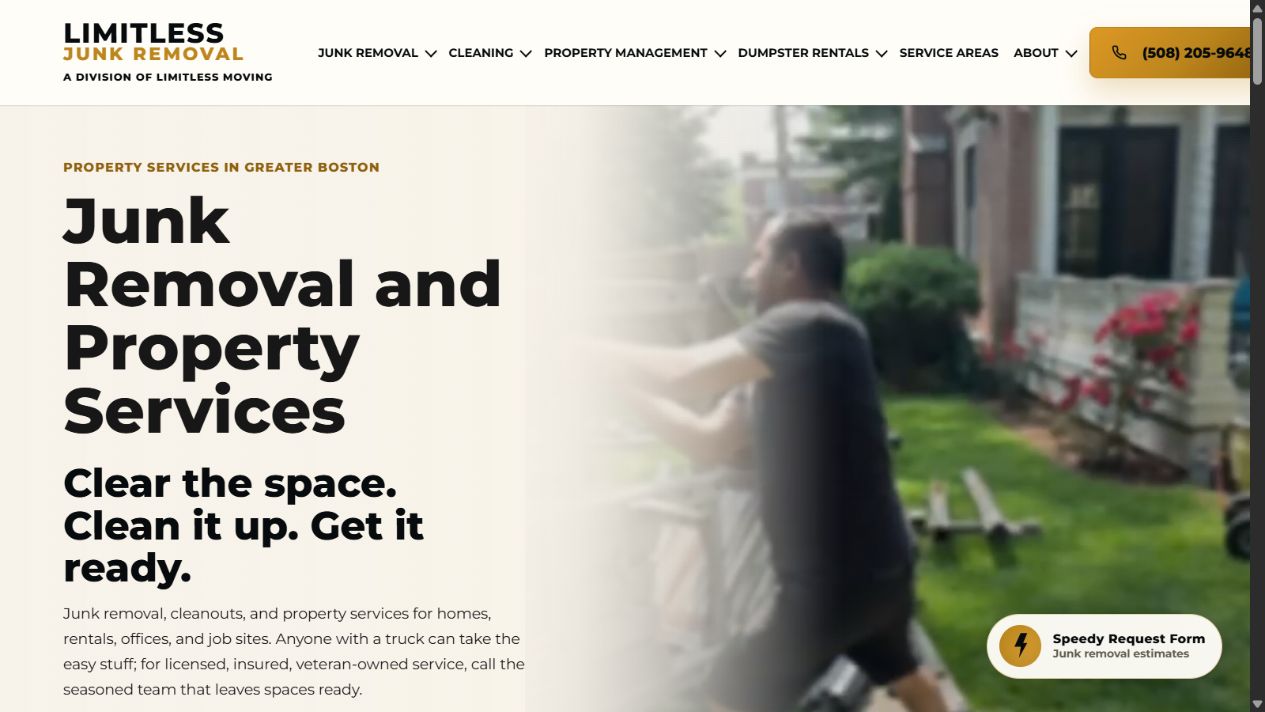
Behind the Limitless Junk Removal Website
A project lesson in presenting urgent property services with clarity, strong action paths, and a distinct visual identity.
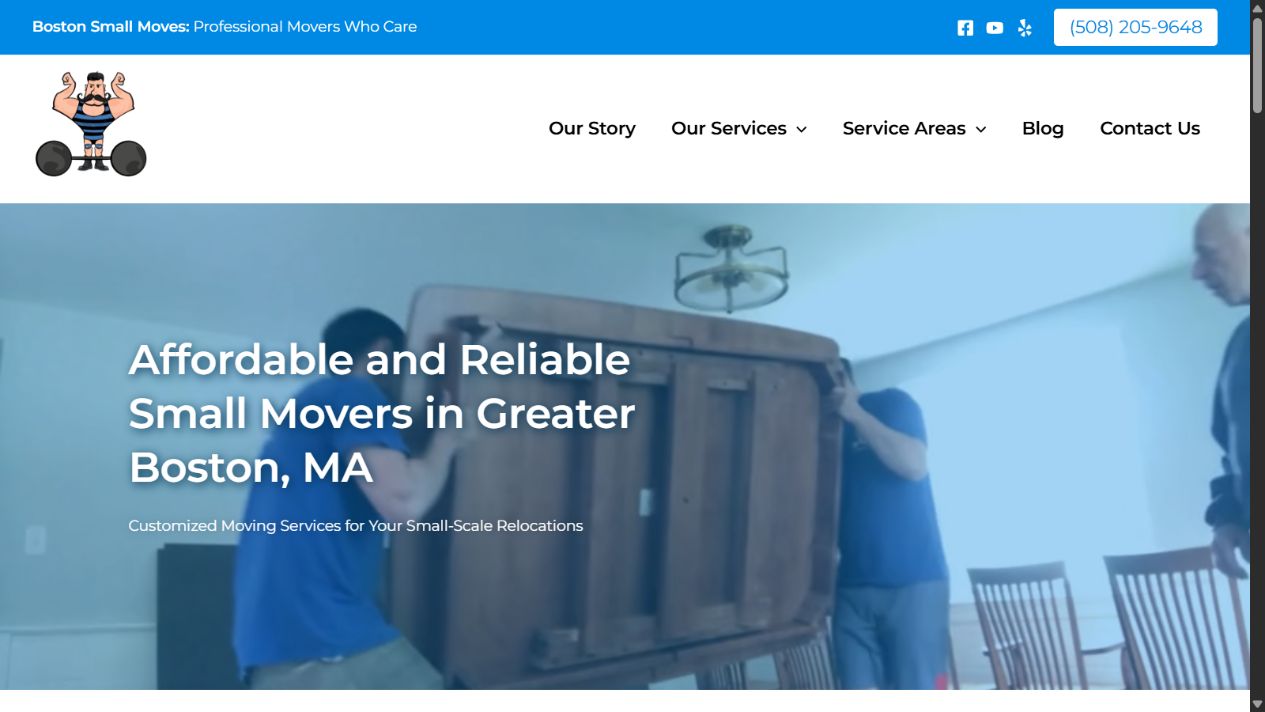
Behind the Boston Small Moves Website
How a narrow service proposition can become a memorable, useful website rather than feeling like a smaller version of a general mover.

Behind the Eagle Eye Contracting Website
A project lesson in creating trust, project clarity, and a stronger digital presence for a contracting business.
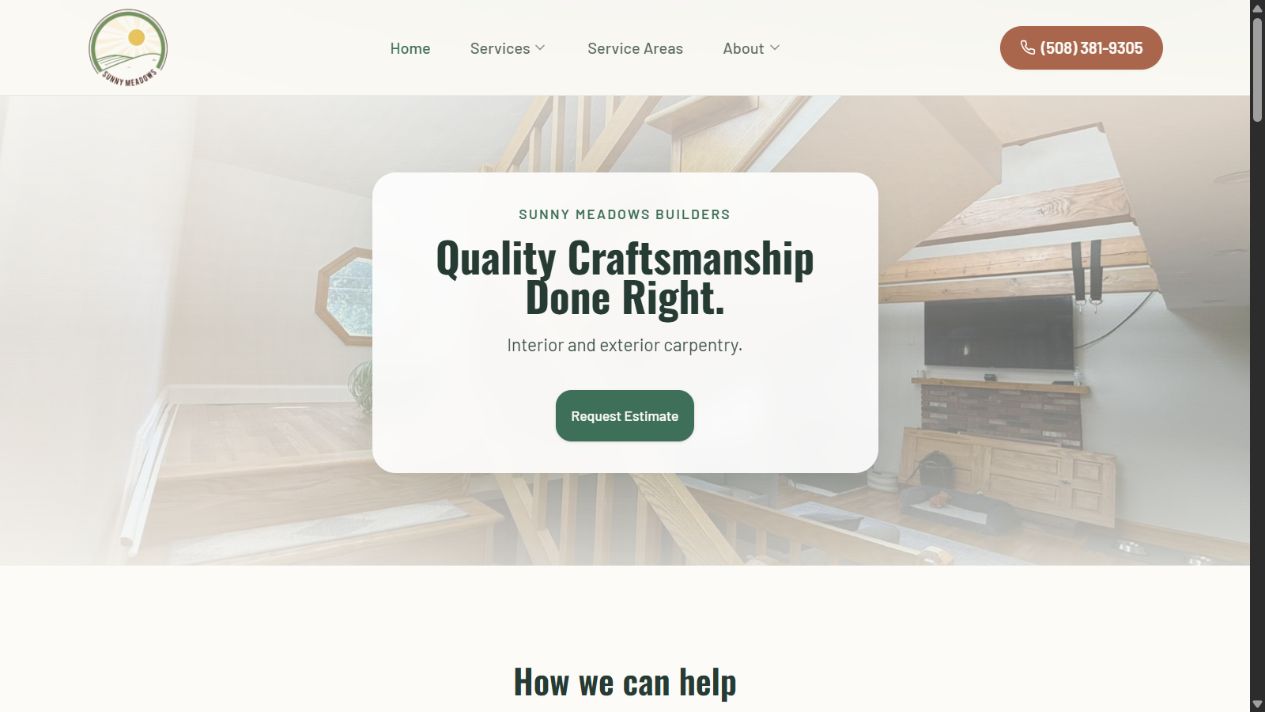
Behind the Sunny Meadows Builders Website
How a builder’s website can feel warm and established while making capabilities, project quality, and the next conversation clear.
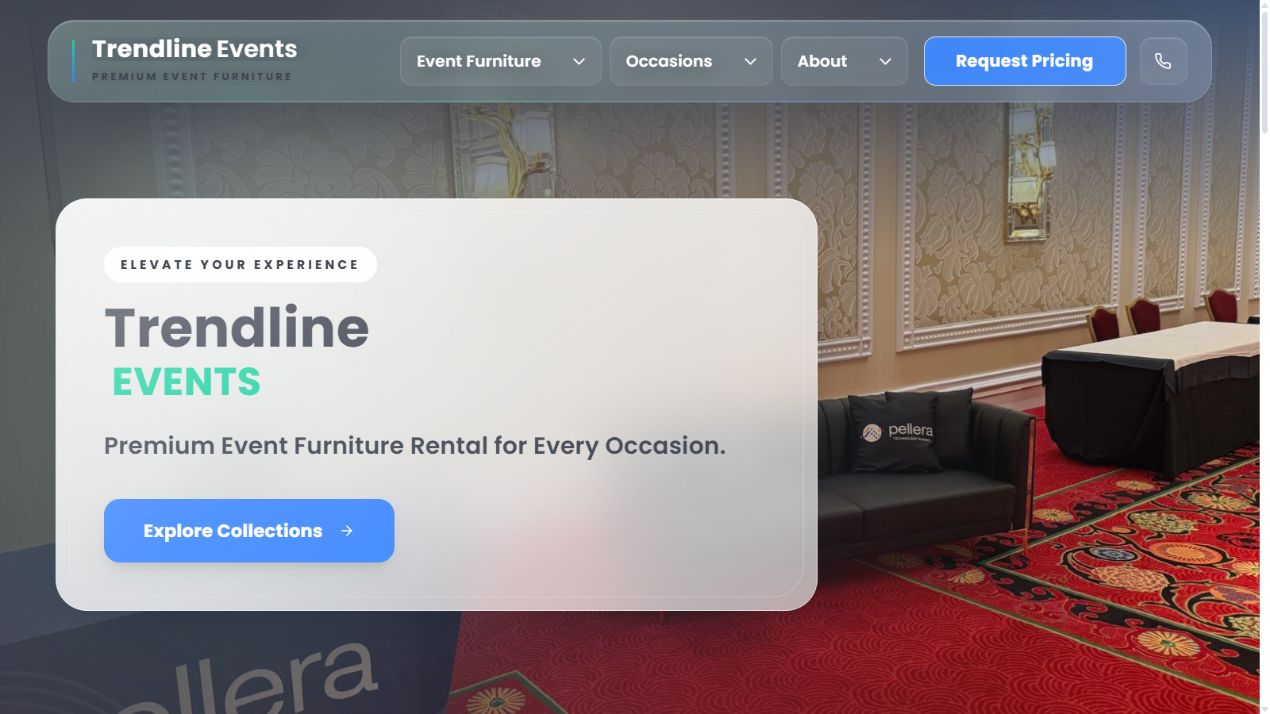
Behind the Trendline Events Website
A project lesson in presenting rental inventory, event inspiration, and operational clarity in one polished experience.

What Six Service-Business Websites Taught Us
Shared lessons from moving, junk removal, contracting, building, and event-rental website work without forcing the companies into one look.
Why Specialty Service Positioning Creates Better Websites
Use a clear service focus to improve message hierarchy, proof, search architecture, and lead qualification.
Using Project Images as Proof, Not Decoration
Choose captions, galleries, alt text, and context that help visitors understand the work represented by an image.
A Reusable Web Platform Without Cookie-Cutter Brands
Standardize accessibility, performance, forms, SEO, and maintenance while keeping each company’s strategy and visual system distinct.
No guides match that search yet. Try a broader phrase or choose another topic.