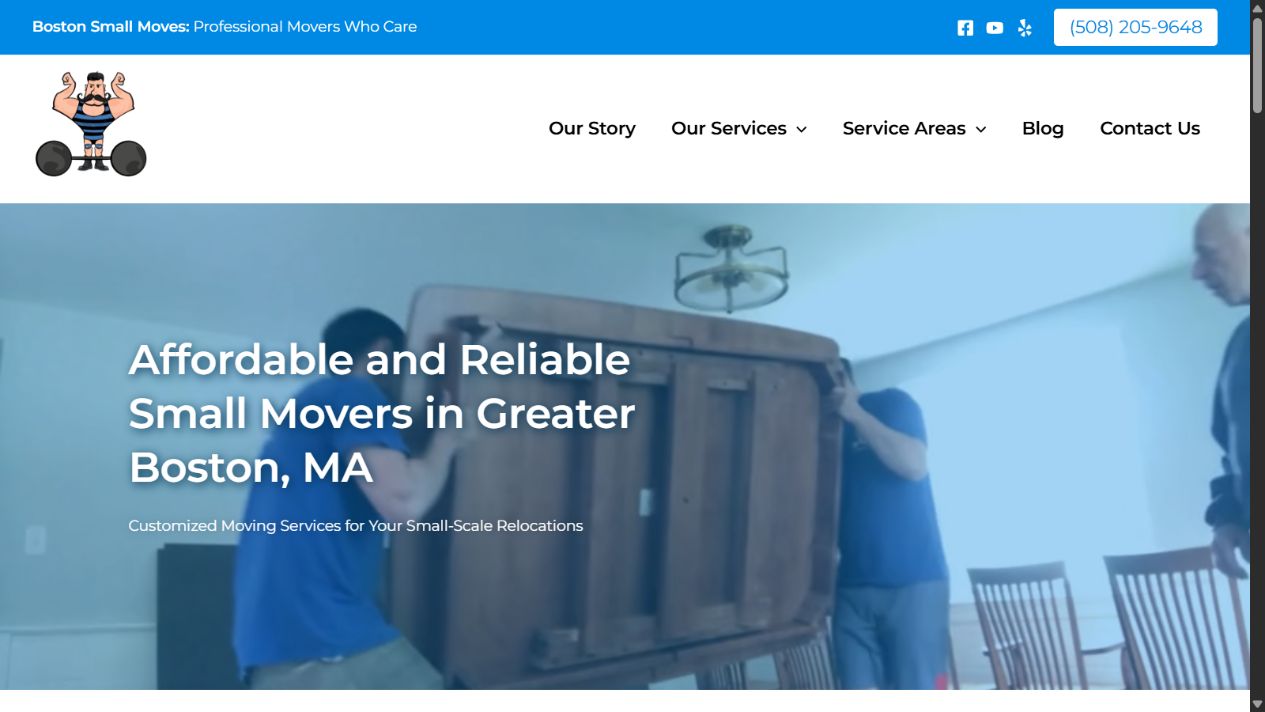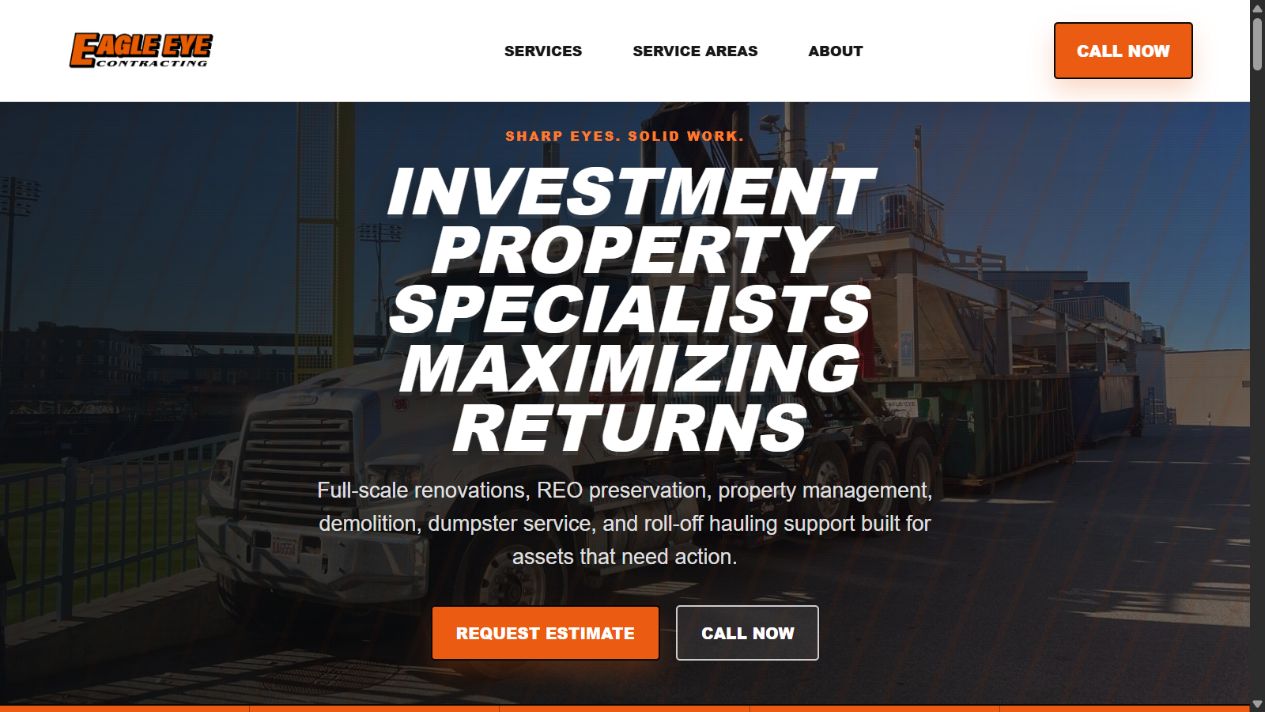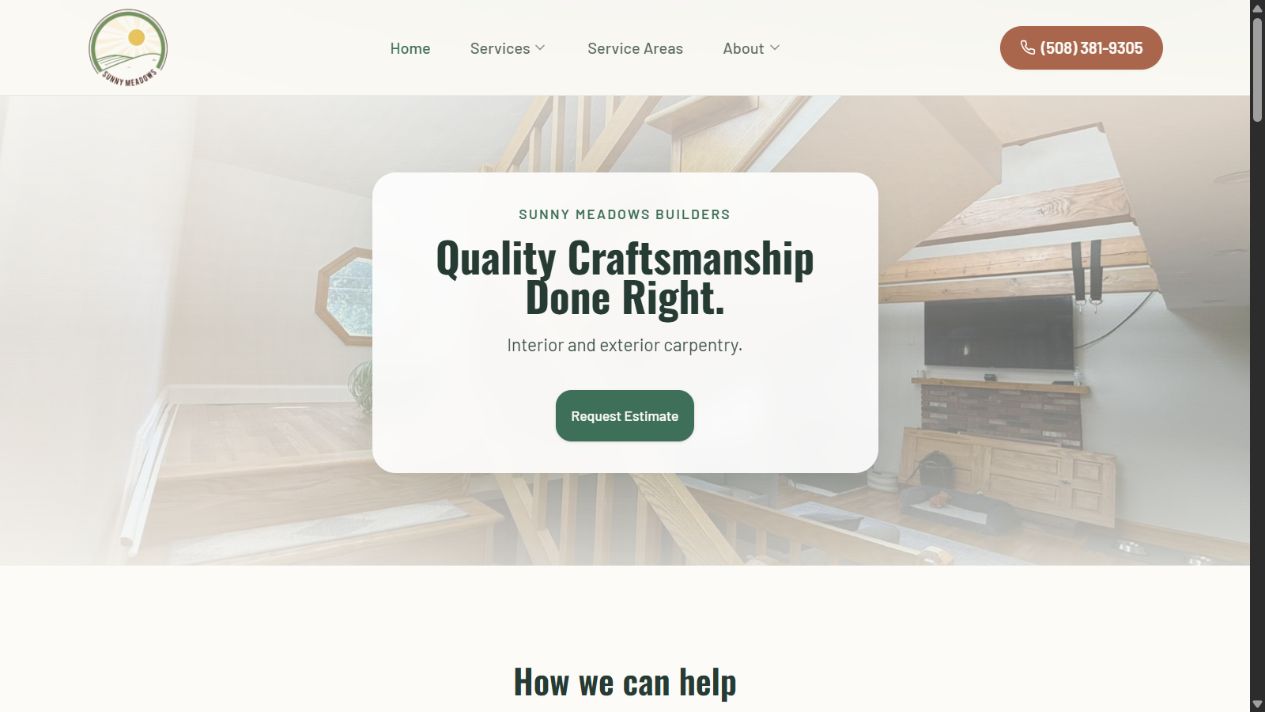
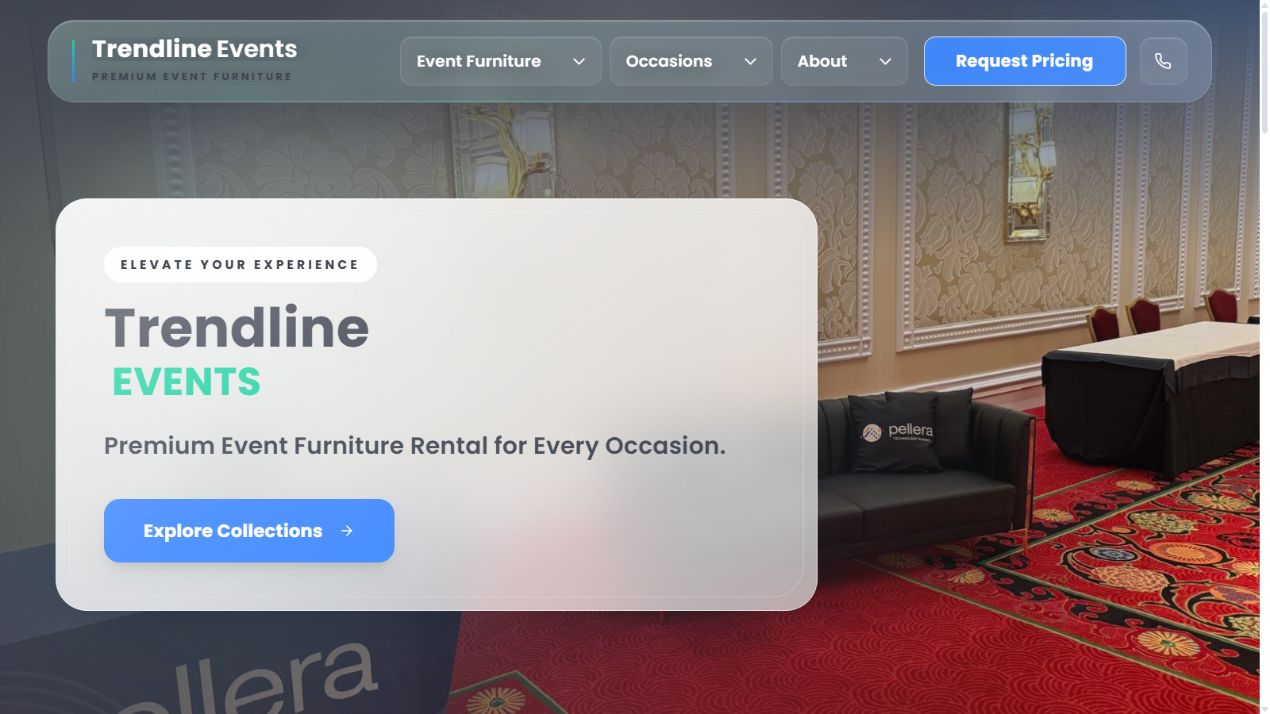
A project lesson in presenting rental inventory, event inspiration, and operational clarity in one polished experience. The website needed to support visual exploration without separating inspiration from the real inventory and inquiry decisions behind an event.
01
Frame the decision before choosing tactics
The website needed to support visual exploration without separating inspiration from the real inventory and inquiry decisions behind an event. The useful starting point is the business decision underneath the tactic: who needs to act, what should become clearer, and which operating constraint could prevent the idea from working.
A practical plan does not need unnecessary complexity. It needs a defined audience, an honest view of the current process, and a next step the company can support consistently.
- What customer decision did the project need to improve?
- Which visual and structural choices fit this company specifically?
- What should another owner learn without copying the design?
02
Inspect the current experience
Review the complete path, not only the visible deliverable. Look at how a customer or employee discovers the option, understands it, provides information, receives a response, and moves into the next operational stage.
The strongest opportunities are usually found where expectations, information, and ownership stop matching. That is where project lessons can create clarity instead of adding another disconnected layer.
- Create browseable inventory and collection paths
- Use photography consistently and accurately
- Connect inspiration to a structured event request
03
Use a focused working sequence
Sequence matters because every later decision depends on the quality of the earlier one. A small, measurable release usually teaches more than a broad launch that combines too many assumptions.
- Start with the company’s real market and customer journey.
- Build a visual system around that context.
- Connect the launch to search, measurement, and future iteration.
- Create browseable inventory and collection paths
- Use photography consistently and accurately
04
Avoid the expensive shortcuts
Shortcuts become expensive when they hide the real decision or make performance impossible to interpret. Keep claims supportable, responsibilities visible, and the customer experience consistent with what the operation can deliver.
The goal is not perfection before action. It is enough structure to learn without creating avoidable confusion, duplicate work, or misleading reporting.
- Copying surface design without understanding the business decision
- Presenting a project as proof of guaranteed future results
- Using one template so rigidly that every company feels the same
05
Measure what changed
Choose a small group of signals that connect behavior to a business outcome. Review them on a consistent cadence, add qualitative feedback, and record what the team will change next.
A useful result is not only a better number. It is a clearer decision about what to keep, what to improve, and whether the company is ready for the next connected capability.
- Inventory exploration
- Qualified event requests
- Image loading reliability
Continue from here
Put the guide in context.
This article represents Lemeia AI’s firm-level point of view. It is general business information, not legal, financial, security, tax, or professional advice for a specific situation.
How this content is developed →